Blue Planet III

The Ocean’s Most Ingenious Predator

By Frankie Adkins

A deep dive into the fascinating hunting habits of dolphins, as recently seen on Blue Planet III...

From the dense seagrass meadows of Western Australia, to the boundless open ocean near Madeira, dolphins are earning their reputation as one of the planet’s most ingenious predators.

Whether it’s a series of high-pitched clicks and whistles, or their impressive memory and problem-solving skills, pods of dolphins use sophisticated techniques to track down prey. 

Blue Planet III captures the surprising — and in some cases never-broadcast-before — hunting methods dolphins use in a competitive ocean. From an Indo-Pacific bottlenose dolphin using a sponge trap to a rough-toothed dolphin blowing bubbles to single out fish, these ocean geniuses are helping unravel scientific mysteries. 
Blue Planet III - Dolphins
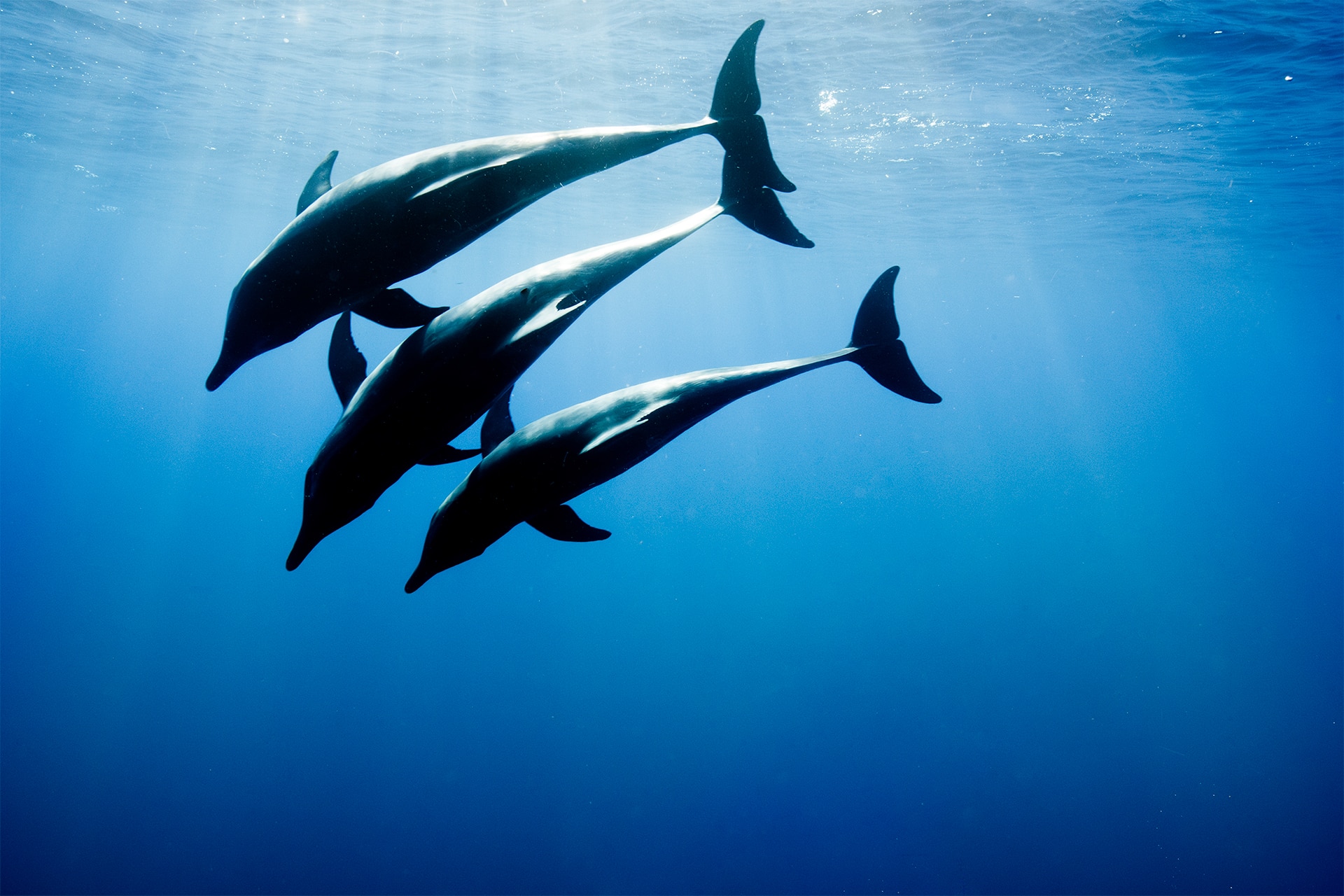
Three rough-toothed dolphins (Steno bredanensis) swim next to each other close to the surface in the open ocean, 500 miles off the coast of Morocco - BBC Studios /João Rodrigues
Article continues below
ADVERTISEMENT.
PAGE CONTINUES BELOW
Blue Planet III

More on Nature

Sorry there is no content available for your region.

The BBC’s six-part natural history series returns 25 years after the show first beamed the underwater world into people’s homes. 

Producers and scientists for Blue Planet III discuss the extensive research, local collaborations, advanced technology and patience that went into capturing extraordinary dolphin behaviours. 

Sponge trap-setting 

In Blue Planet III’s first episode, Tropical Seas, a bottlenose dolphin helps unravel the tale of one of the most sophisticated hunting techniques in the animal kingdom. 

Around 4,000 square km of seagrass sweeps across Shark Bay, in Western Australia, like an indigo carpet along the seafloor. For forty years, scientists have seen bottlenose dolphins carrying sponges on their snout, in what was believed to be a layer of protection as they rooted around for fish on the rocky seafloor. 

But the series helped shift a decades-long narrative. 

BPIII - Dolphins
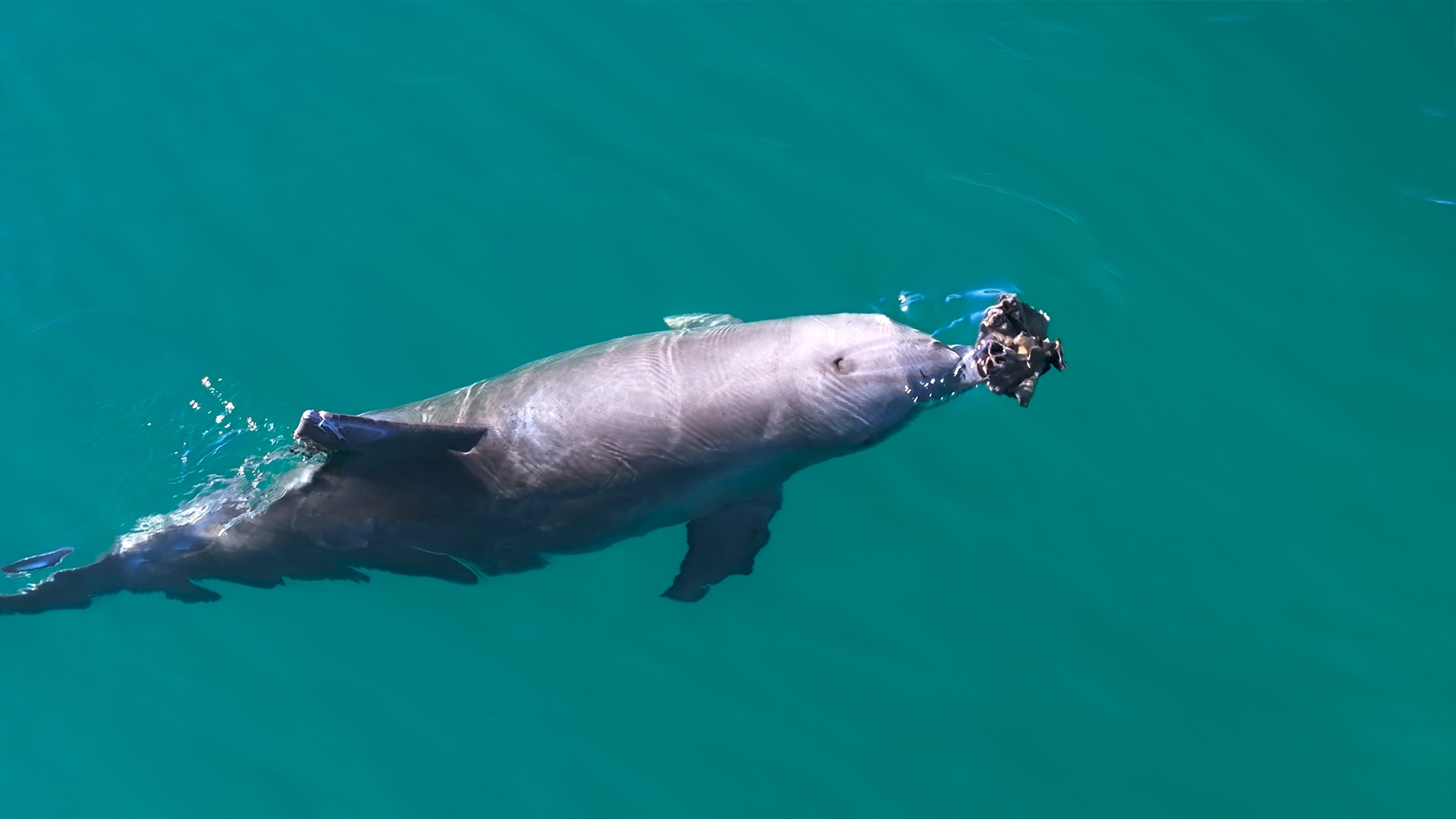
A female Indo-Pacific bottlenose dolphin (Tursiops aduncus) swims with a sea sponge at the end of her snout.

Blue Planet III’s crews followed Gambarra, a pregnant bottlenose dolphin whose name translates to ‘clever’ in Malgana, the Indigenous language of Shark Bay’s Indigenous people. Using advanced  ‘stonefish’ cameras, which episode producer Yoland Bosiger calls their “underwater CCTV” the crew started to notice Gambarra’s unusual behaviour. 

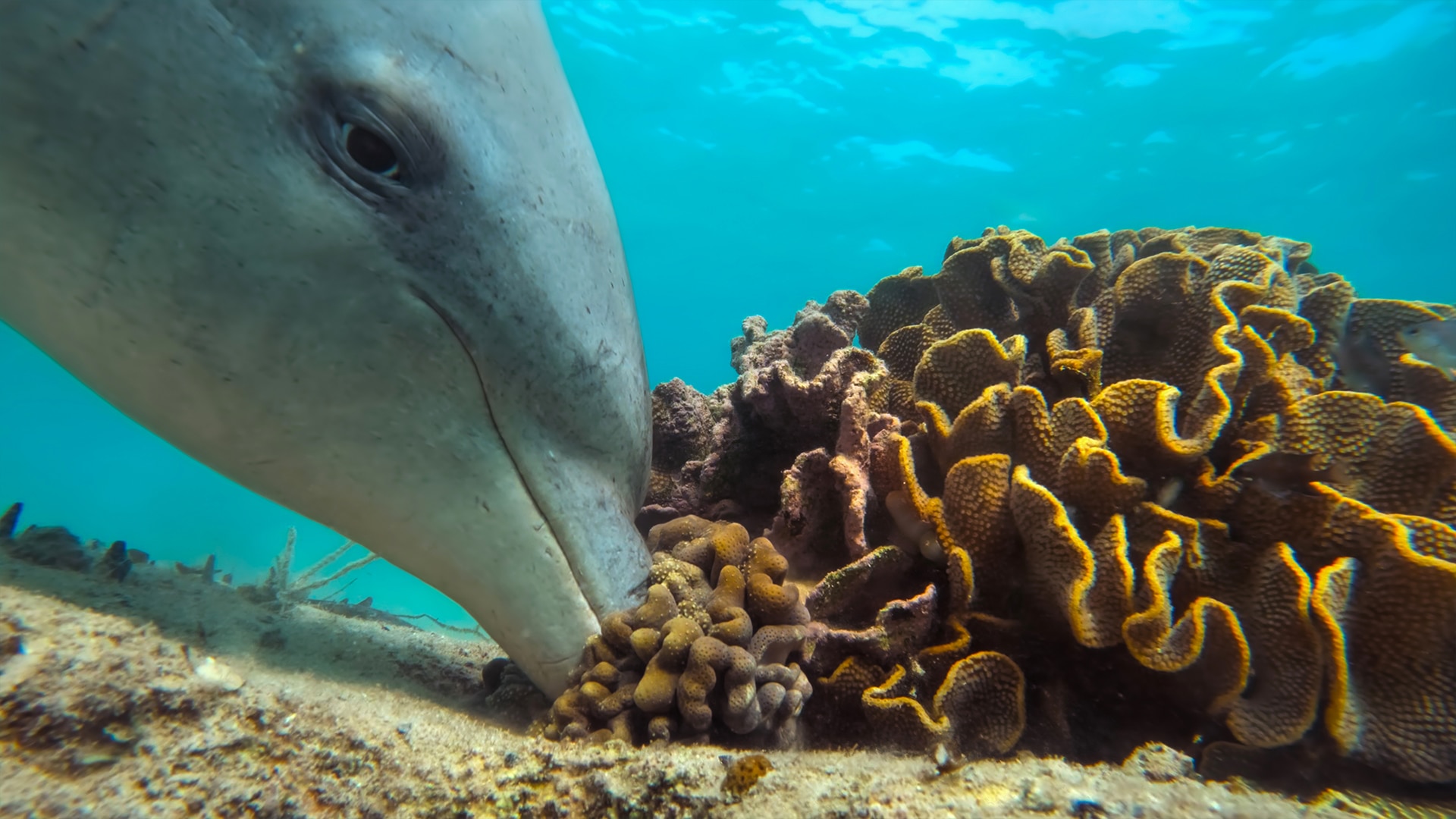
In a sequence in the episode, Gambarra picks up a sponge and swims to a bommie, a coral outcrop, plugging a hole. She makes herself scarce, waits until the surrounding fish let their guard down, and then chases them back to the bommie where they find their hiding hole plugged. “By that point it was too late. They had become impaled on the sponge and dinner was served,” says Bosiger. 

In the underwater world, sponge-trapping requires a profound level of planning. Dolphins have to make a mental map of their environment, remembering exactly where to forage for sponges and tracking the best reef locations across an area the size of Manhattan.

BPIII _ Dolphins
Gambarra, an Indo-Pacific bottlenose dolphin, uses a sea sponge to plug a hole in a coral bommie, cutting off her prey's escape route.

A unique cultural tradition 

Compared to their ocean neighbours, this is highly unusual behaviour. 

“There’s only one other animal on the planet that’s known to set traps for highly mobile vertebrate prey, and that animal is modern humans,” says Dr Simon Allen, a marine biologist who collaborated with BBC crews on the episode.

With their highly developed brains and intricate social structures, dolphins are already considered one of the most intelligent animals on earth. 

“They’re very socially complex animals, just like humans. They live in a big open social network where everybody can interact. They’ve got really good friends and frenemies,” says Allen. Dolphins use echolocation — a natural biological sonar system— to navigate and hunt, even in total darkness or murky water. 

"They’re very socially complex animals, just like humans... They’ve got really good friends and frenemies"

Most dolphins eat between 2 and 10 per cent of their body weight every day – a diet of fish, squid, octopuses, turtles, shrimp and crabs. In the tropical seas, such as Shark Bay, year-round sunshine has created the perfect conditions for the ocean’s richest habitats to flourish. But dolphins must have a “foraging niche”, says Allen, to set them apart from competing predators. 

Shark Bay’s bottlenose dolphins are thought to be the only dolphins in the world which use this sponge-trapping behaviour. 

The trick is a cultural tradition. “It's a textbook example of material culture in the animal kingdom,” says Allen. “That’s a behaviour that’s passed down from generation to generation, but kept within the matriline, or the female lineage,” says Allen. 

Drone shot of sharks around filming crew's boat
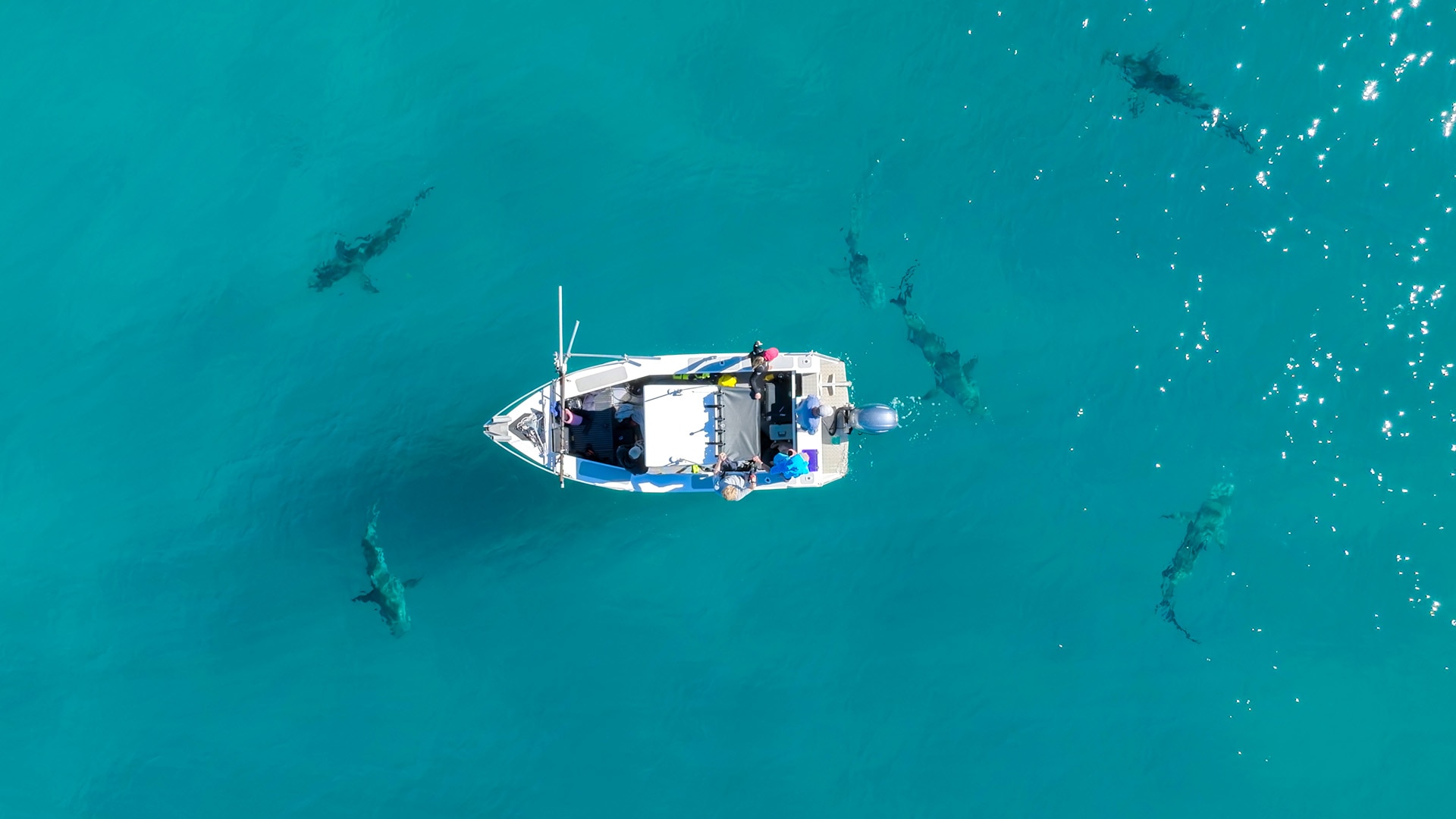
Sharks circle the Blue Planet III team's boat during the filming of the sponging dolphin sequence for the Tropical Seas episode.

Getting the shot 

Capturing this unique behaviour came with a “daunting but extremely exciting” set of challenges, says Bosiger. Gambarra has a distinctive fin, so the crew could use a drone to locate her, but poor water clarity, humid weather and persistent rain presented difficult filming conditions.

Other threats derailed production. “It's called Shark Bay for a reason,” says Bosiger. The team had to design safety protocols, using drones and shark shields, to alert them to predators. 

Although local scientists were aware of unusual trapping behaviours, Allen said he thought filming them would be “pretty much impossible”. 

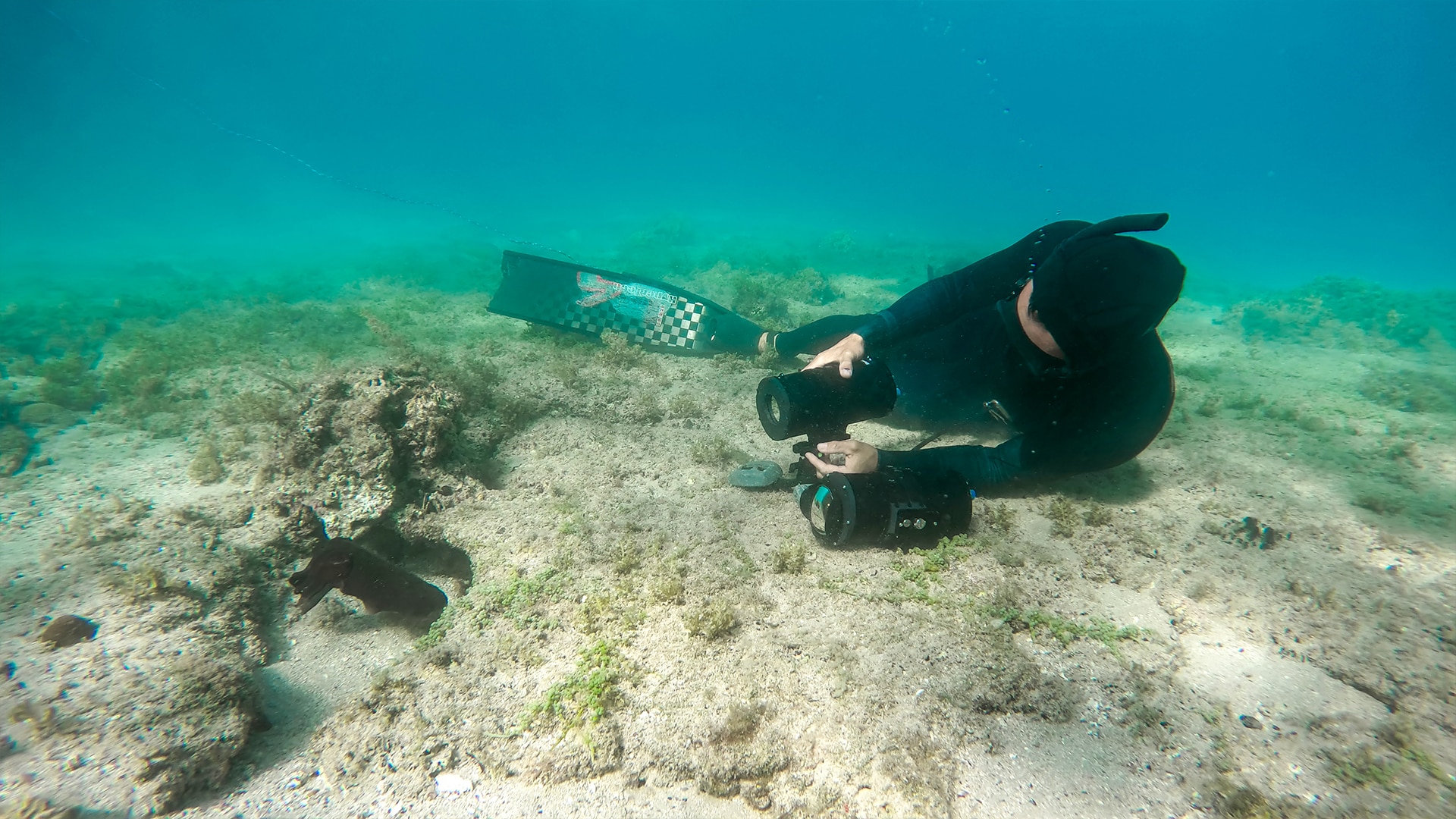
But producers and videographers used high-resolution remote cameras placed on the seabed, so they could monitor the area for 24 hours a day. 

BPIII BTS
Cinematographer Andre Rerekura sets up a 'Stonefish' - a remote underwater camera specially designed for Blue Planet III.

Wildlife filmmaker Alex Vail filmed Gambarra underwater with a handheld camera, slowly gaining the dolphin’s trust. 

“We really wanted to be very respectful of these animals, so you let them determine the interaction distance. But by the end of the shoot, she was coming right up to me, which was incredible,” says. 

When the team discovered Gambarra was using the sponge to design a trap they knew they were witnessing something special. 

“It felt big. This remarkable dolphin has given us a window into her daily life,” says Allen, who along with Bosiger and Vail, is co-authoring a scientific paper about the sponge-trapping discovery. 

BPIII Dolphins
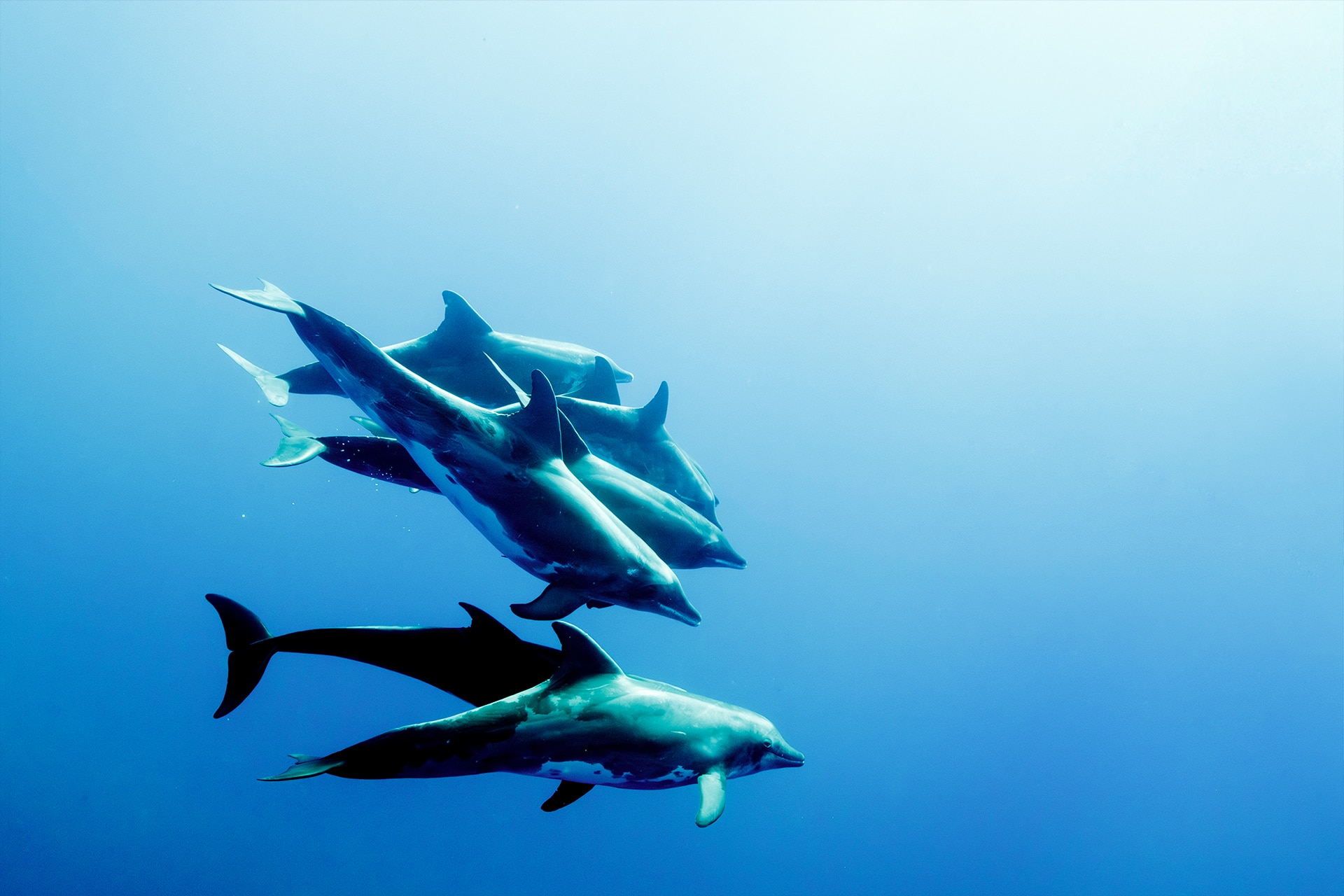
Six rough-toothed dolphins (Steno bredanensis) swim close and parallel to each other in the open ocean, 500 miles off the coast of Morocco - BBC Studios /João Rodrigues

Bubble blowers 

On the other side of the world, dolphins near the coast of Madeira are using other bold strategies to deceive their prey. In the series’ Open Ocean episode, a rough-toothed dolphin uses a technique called “bubble blasting” to hunt fish. 

In the sequence, several pilot fish use a loggerhead turtle as a shield, hiding from the dolphin tracking them. But the dolphin uses a precise bubble blowing technique to flush the fish away from their bodyguard. 

The episode’s producer Natasha Fellows says this is an example of the impressive lengths dolphins will go to without using their hands to hunt. “Whether that's working together to echo-locate to find a target, or bubble blasting other animals that might have food hiding underneath them,” she says. 

“When you’re just staring at the open ocean for hours and hours on end your mind starts to play tricks on you. You think every wave is a dolphin”

BPIII BTS
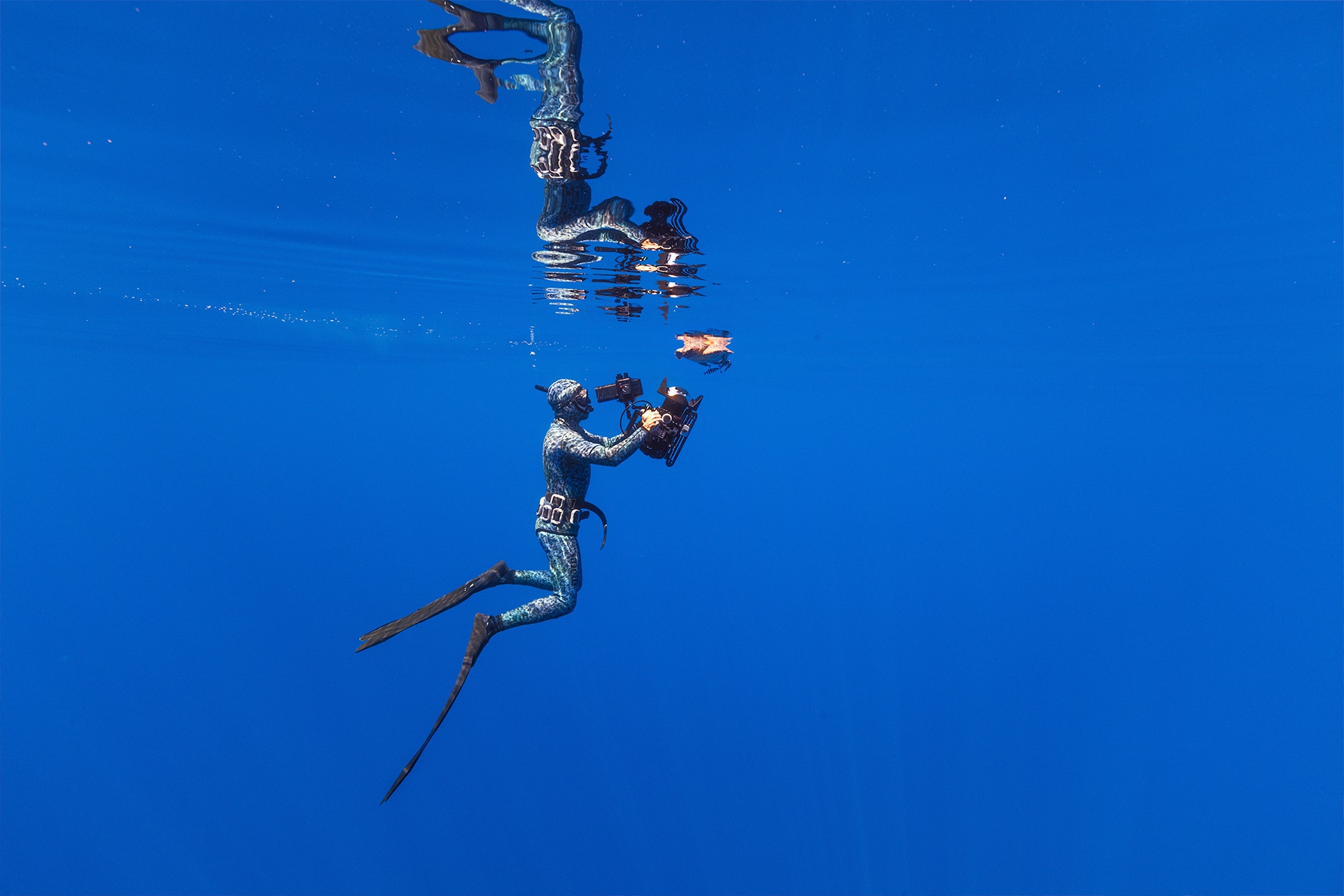
Cinematographer João Rodrigues films a loggerhead turtle resting at the surface of the water for Blue Planet III - BBC Studios / José Branco / Chimera Visuals

After observing this behavior she wanted to portray dolphins as “intelligent animals” that also have a “playful hooligan side.”

It took around eight weeks of patiently waiting to get the shot. “When you’re just staring at the open ocean for hours and hours on end your mind starts to play tricks on you. You think every wave is a dolphin,” she says. 

She says finally spotting the bubble blasting was worth the wait. 

“When you do finally get that behaviour, it's like Christmas and birthdays all come together at once,” she said.

The power of ocean filmmaking 

This is not the first time wildlife filmmaking has shone a light on ingenious dolphin hunters. In an episode of BBC’s Planet Earth, broadcast 20 years ago, dolphins in Western Australia use a strange technique to trap prey. 

As fish take refuge near the beach, dolphins vigorously pump their tails to work up speed and hydroplane in shallow waters. With the fish tantalisingly close they begin to hoover them up. This is a daring technique, as dolphins risk being stranded in only a few centimetres of water. 

Narrated by Sir David Attenborough, the Blue Planet series has a legacy of illustrating magical underwater worlds. 

Blue Planet II exposed the threats to our oceans, galvanising a global movement to rid our oceans of single use plastic. Blue Planet III, on the other hand, explores stories of resilience in today’s changing world. 

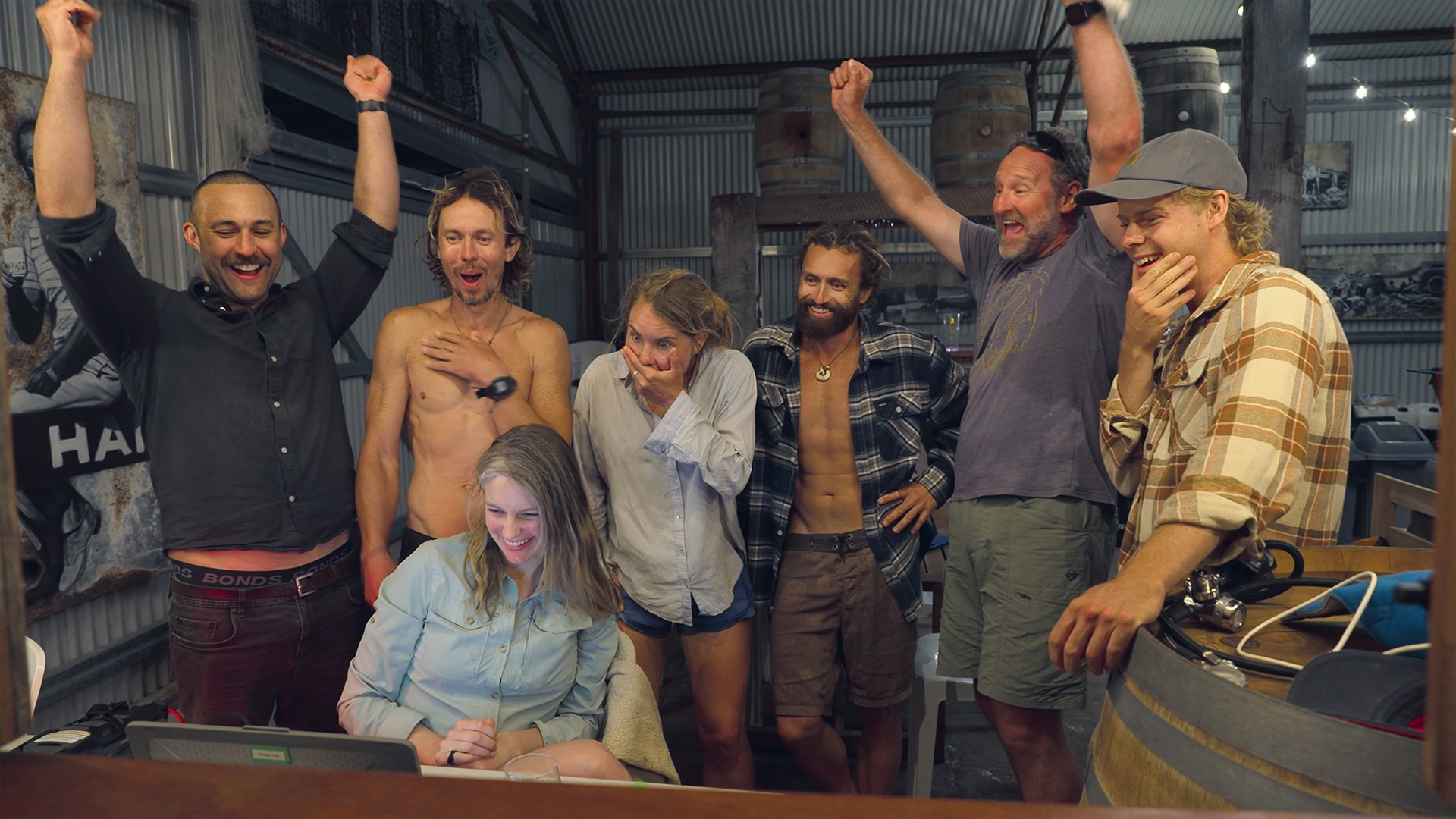
A 'Blue Planet III' filming crew look back on their work in delight.
Blue Planet III production crew celebrate finally capturing the moment a dolphin uses a sea sponge to set her trap.

For Bosiger, ocean filmmaking brings limitless possibilities. 

“Although we’ve got many more eyes on the ocean than ever before, 80 per cent is still unexplored,” she says. 

Stories like Gambarra’s continue to challenge our understanding of these rich and wonderful ecosystems. 

“Knowing about this story and just seeing how we were able to uncover this behaviour just makes me really excited for what else might be out there,” Bosiger adds. 

Find out more about Blue Planet III and where to watch the series where you are.