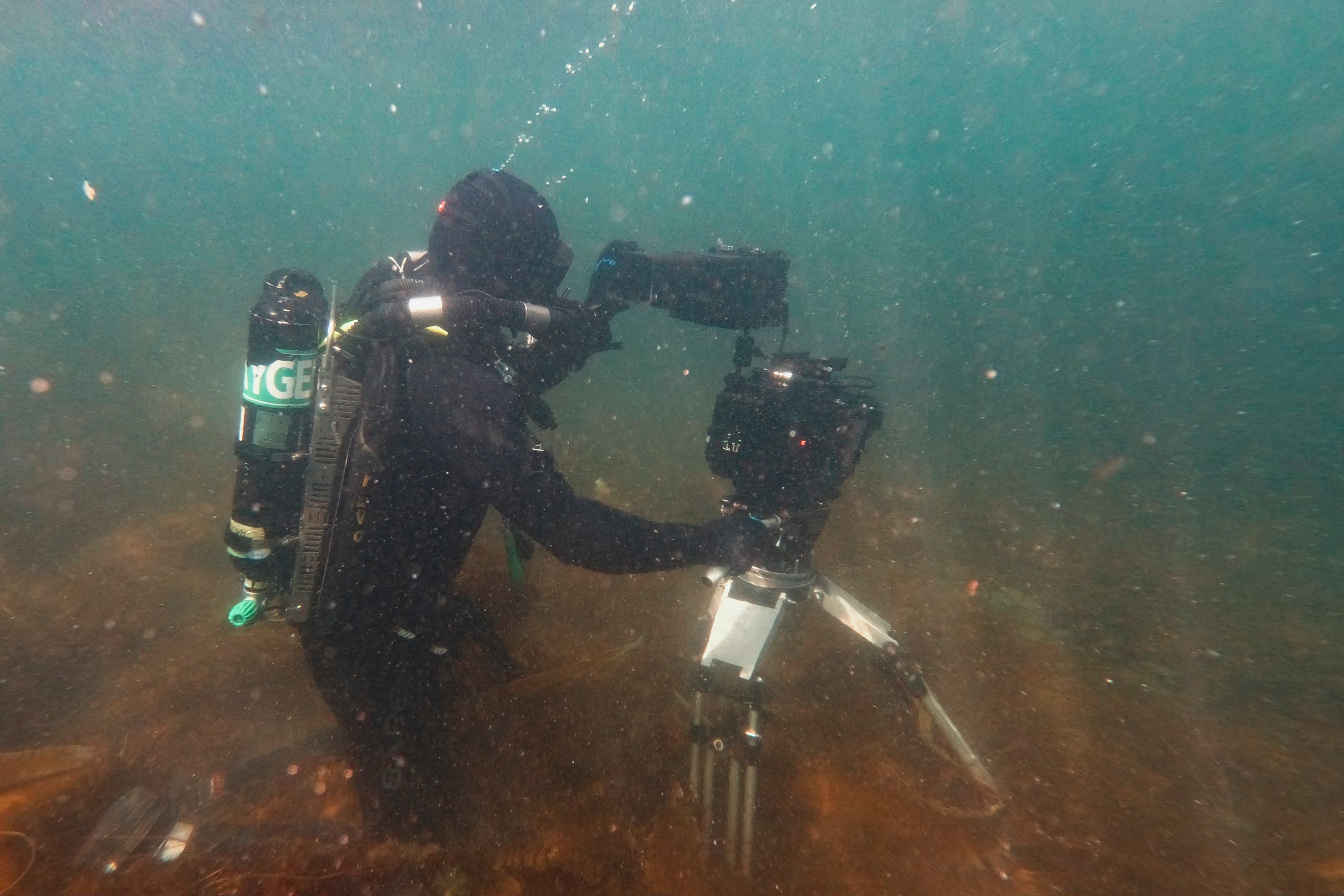
Blue Planet III is shedding new light on a mystery that has puzzled naturalists for a century: what makes a brainless sea creature get dressed up?
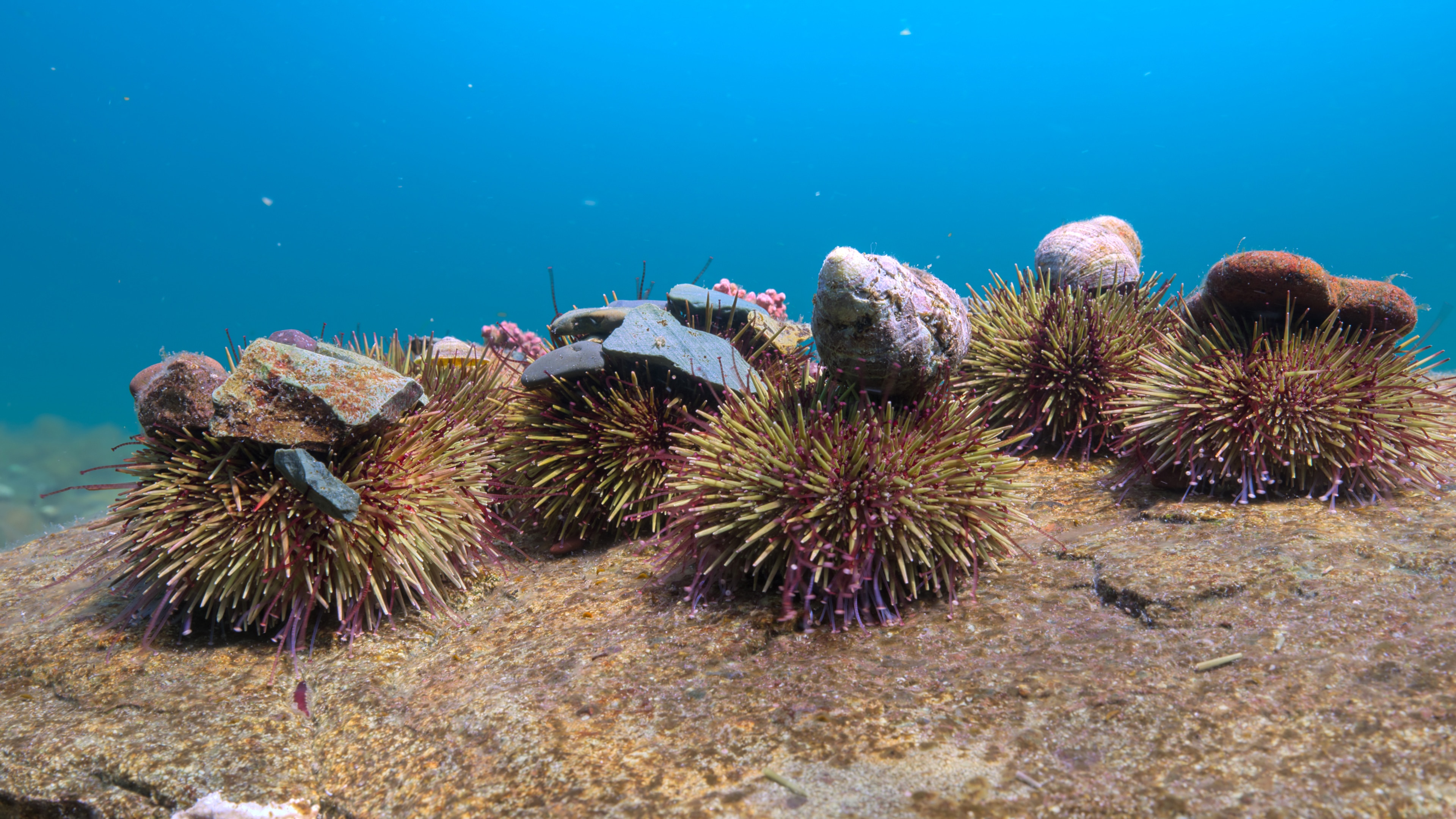
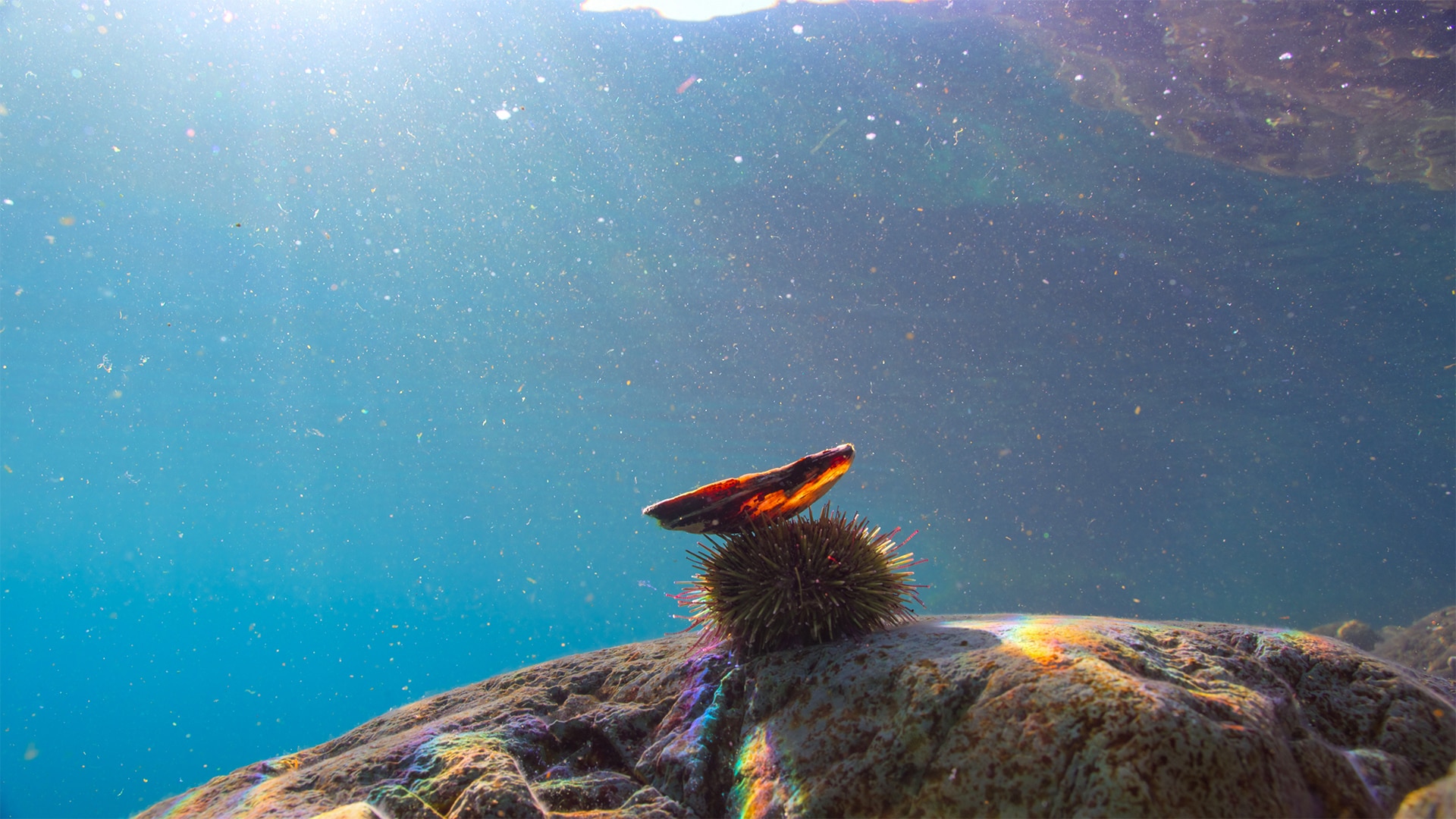
As naturalists in the Victorian era set out to catalogue the living world, figures from Charles Darwin to Ernst Haeckel were drawn to strange creatures that had evolved to live in the shallow waters just offshore. Both produced studies of polychromatic corals and bioluminescent jellyfish but also collected the coastal shallows' more unassuming residents. Ringed with hundreds of moveable spines and tiny, flexible tube feet, sea urchins shuffled around tanks and delighted onlookers with a strange habit of holding shells and stones overhead – as if wearing them like a tiny sun hat.
Among the scientists intrigued by this party trick was zoologist Jakob von Uexküll who, in the 1890s, examined purple sea urchins at a research station in Naples, southern Italy. Known to the German as Seeigel or "sea hedgehogs," urchins are more alien to us than the spiky mammals they are named for – with no eyes and no centralised brain – leaving him to wonder how and why, exactly, such a creature would do this.